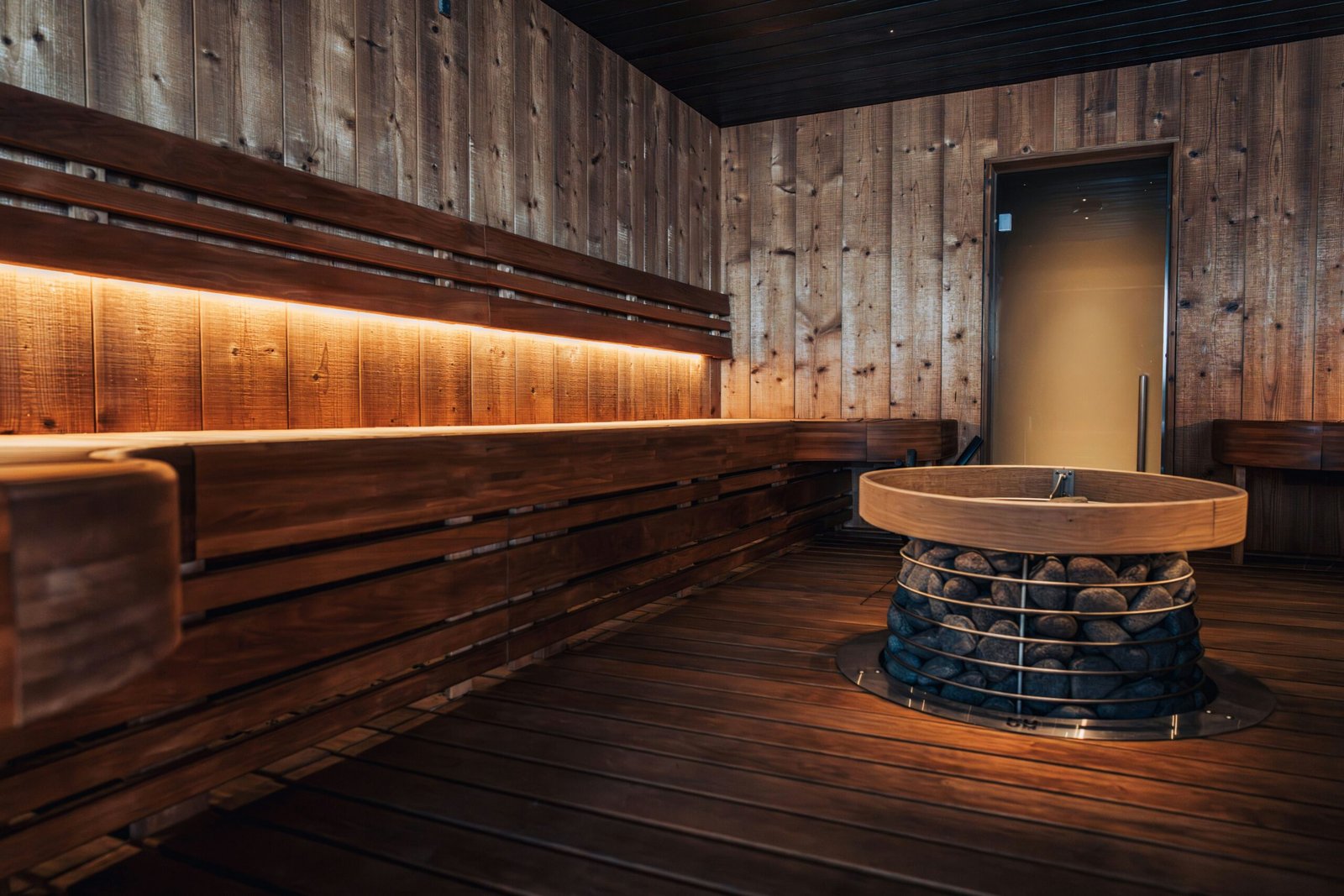
I sat in a smoke sauna in southern Estonia last November with no light except the fire. The walls were black with decades of soot. The air tasted like birch and burning wood. Nobody spoke for forty minutes.
That is not a spa experience. That is a different category of thing entirely. And the Baltics have been doing it for centuries while the rest of Europe was building marble wellness centres with cucumber water and ambient playlists.
Baltic sauna wellness travel is not about luxury facilities. It is about a cultural relationship with heat, cold, and silence that runs deeper here than almost anywhere in Northern Europe. Estonia, Latvia, and Lithuania each have their own sauna traditions, their own rituals, and their own way of thinking about what recovery actually means.
This guide covers all three. What makes each country distinct, where to go, and how to build a wellness circuit that crosses all three Baltic states in a single trip.
Why the Baltics Are Different From Every Other Wellness Destination
Most wellness travel in Europe follows a formula. A resort. A spa menu. A programme of treatments with names that sound medical. You check in, follow the schedule, check out, and feel approximately the same as you did before; just slightly more relaxed and considerably lighter in the wallet.
The Baltics do something different. The wellness tradition here is not commercial. It is domestic. Estonians have saunas in their back gardens. Latvians have pirts in villages where the nearest shop is a thirty-minute drive. Lithuanians have a bathhouse culture that runs alongside their church culture. Saturday is for one, Sunday for the other.
When you experience Baltic sauna wellness as a traveller, you are stepping into something that already existed before you arrived. That is the difference. You are not a customer in a facility. You are a guest in a tradition.
The other thing the Baltics have that most wellness destinations do not: genuine cold. The sea temperature in winter drops below four degrees. The lakes freeze over. The air in January is sharp enough to make your skin tingle the moment you step out of the sauna. That contrast between extreme heat and genuine cold is what makes the recovery real rather than decorative.
Estonia — The Smoke Sauna Tradition
Estonian sauna culture is the oldest and most distinctive of the three Baltic states. The UNESCO-listed smoke sauna tradition of Voru County in southern Estonia dates back centuries and carries a specific philosophy: the smoke sauna is a place of physical and spiritual cleansing. Birth, death, illness, celebration. The sauna held space for all of it.
A smoke sauna has no chimney. The room fills with smoke from a wood-burning stove for several hours before use. The smoke is then released, leaving the walls blackened and the air carrying a particular warmth that is softer and deeper than a conventional sauna. The temperature is lower than a Finnish sauna , typically around 60 to 80 degrees rather than 90 to 100, so that the heat penetrates differently.
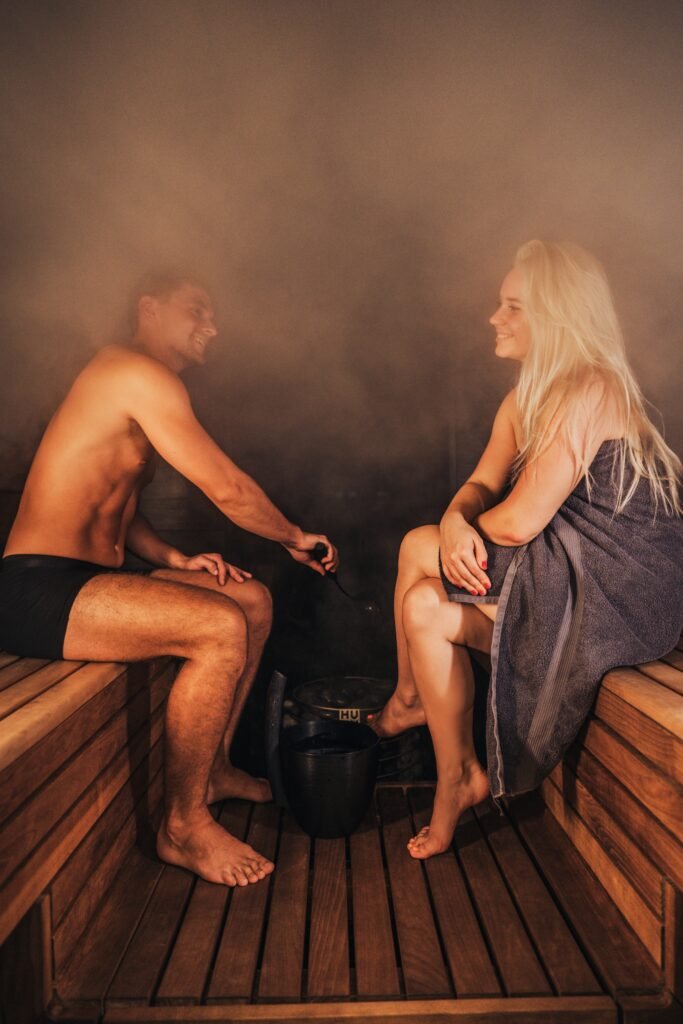
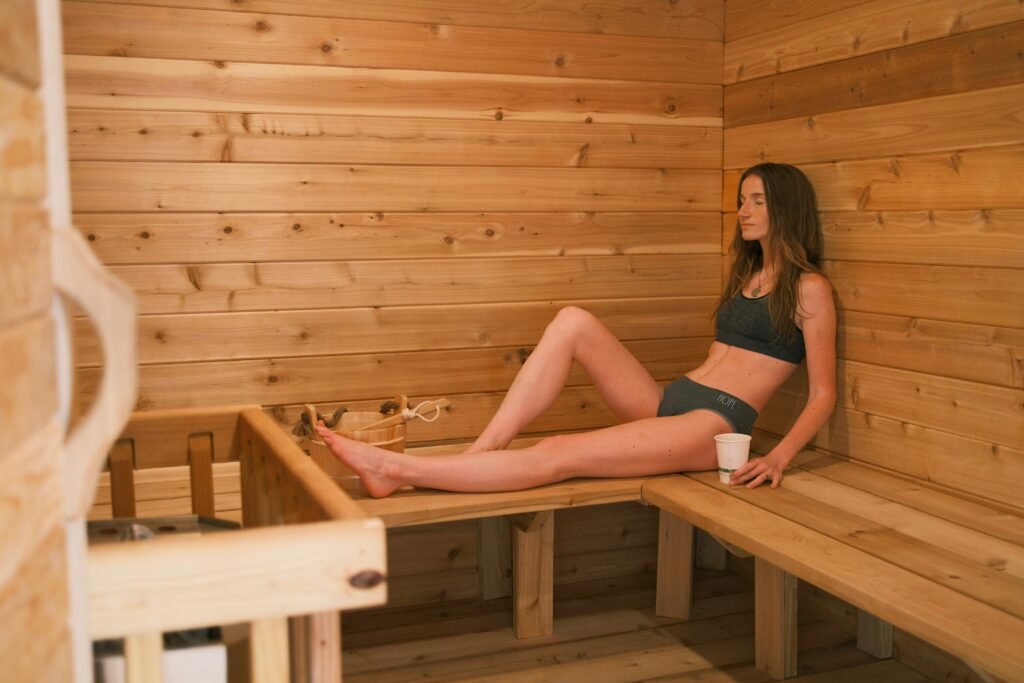
The experience itself involves rounds. You sit in the heat for fifteen to twenty minutes. You step outside into cold air or cold water. You rest. You repeat. Between rounds, you use birch whisks, bundles of fresh birch branches soaked in water, to beat the skin gently and stimulate circulation. It sounds aggressive on paper. In practice, it is one of the most calming physical experiences available anywhere.
Where to experience this: The smoke sauna tradition is strongest in Voru County in southeastern Estonia. Mooska Farm is the most well-known a working farm with an authentic smoke sauna run by a family who have been doing this for generations. For something closer to Tallinn, several properties in and around Lahemaa National Park offer private sauna experiences on the coast or beside lakes.
The best season for an Estonian sauna experience is autumn or winter. The cold outside makes the heat inside feel earned. Summer works, but the contrast is weaker.
Latvia — The Pirts and the Whisking Ritual
Latvian sauna culture centres on the pirts, a wood-heated bathhouse that is structurally similar to a sauna but culturally distinct. The pirts tradition in Latvia is more communal and more ritualistic than its Estonian counterpart.
The defining element of a Latvian pirts experience is the whisking. In Latvia, whisking is not a self-serve activity. A trained pirtnieks, the sauna master performs the whisking ritual for you. They use bundles of birch, oak, or linden branches, soaked in hot water and infused with herbs. The whisking follows a specific pattern: starting at the feet, working up the body, building intensity, then easing off. The herbs release essential oils into the steam. The whole experience takes roughly thirty minutes and leaves you feeling like you have been gently taken apart and put back together.
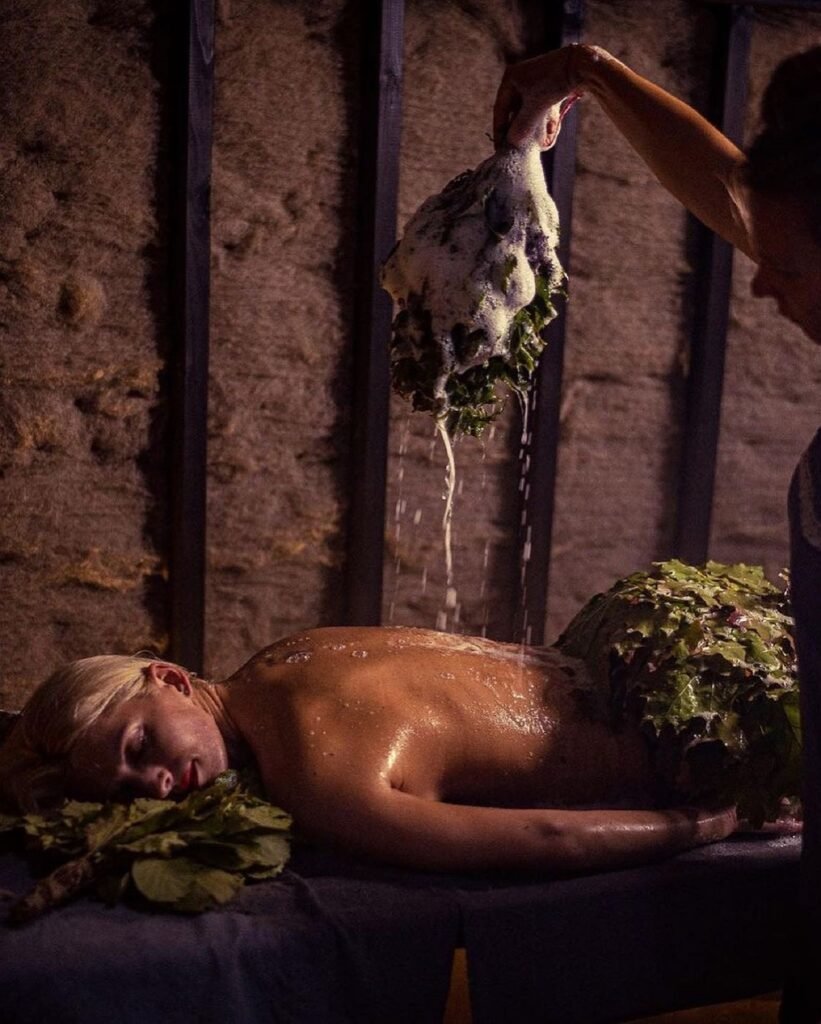
This is not something you can replicate in a commercial spa. The pirtnieks is the key. Someone who has trained in the tradition, reads the room temperature by feel, adjusts the steam with water and herbs, and knows exactly when to push and when to ease back. Good pirtnieks are not common. The best ones are in demand.
Where to experience this: The Latvian countryside, particularly Vidzeme and Kurzeme regions, has the strongest pirts culture. Ziedlejas in the Gauja Valley is one of the most respected traditional homestead where the pirtnieks has been practising for decades. For something closer to Riga, Mežotne Palace and several rural properties in the Sigulda area offer authentic pirts sessions.
Riga itself has a growing urban sauna scene, though the best pirts experiences are rural. An hour or two outside the city, where the quiet and the cold water access make the experience complete.
Lithuania — Bathhouse Culture and Birch Forests
Lithuanian sauna culture is the least known of the three Baltic traditions internationally, and that is part of its appeal. The Lithuanian pirtis is similar in structure to the Latvian pirts but the culture surrounding it is more social and more embedded in village life.
Historically, the Lithuanian pirtis was where communities gathered. It was the warmest building in the village in winter, the cleanest space for medical treatment, and the default meeting place for important conversations. That communal quality persists today, a Lithuanian bathhouse session is more likely to involve conversation, food, and herbal tea between rounds than the contemplative silence of an Estonian smoke sauna.
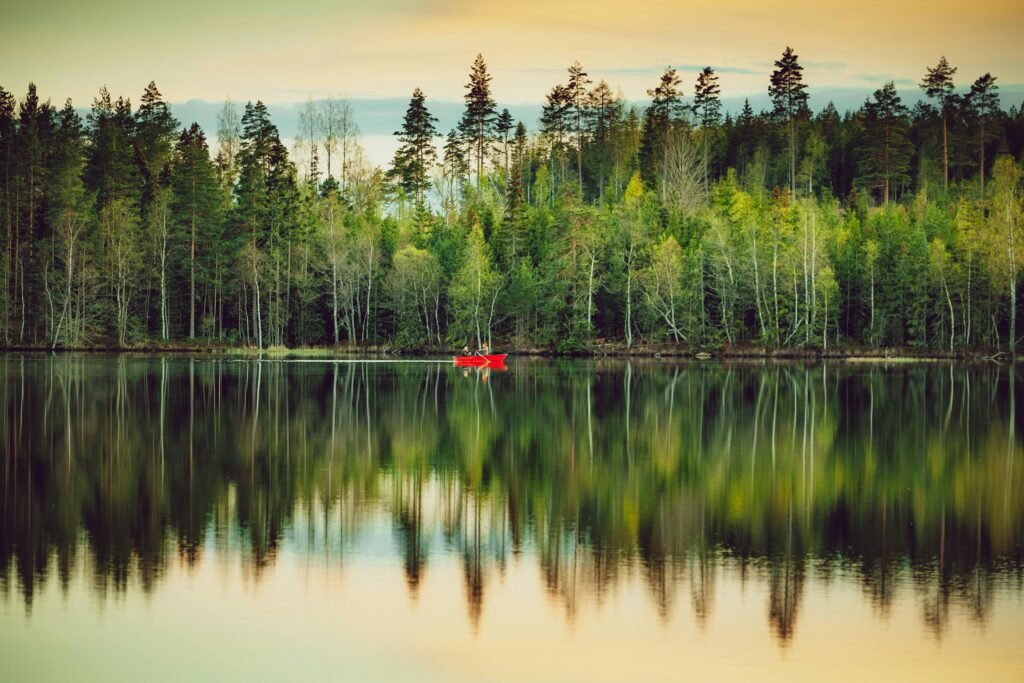
The Lithuanian landscape also brings something the other two Baltic states do not quite match for forest bathing. Lithuania is the most densely forested of the three countries, with birch and pine forests that stretch for miles in the Dzukija region and Aukstaitija National Park. Combining a pirtis session with extended forest walks is the natural rhythm here. Heat, then trees, then cold water from a river or lake, then heat again.
Where to experience this: The Dzukija region in southern Lithuania is the strongest area for traditional bathhouse culture in the small villages surrounded by forest, rivers for cold water immersion, and local hosts who treat the pirtis as a way of life, not a service. Near Vilnius, the Belmontas area and properties around Trakai offer accessible options with less travel time.
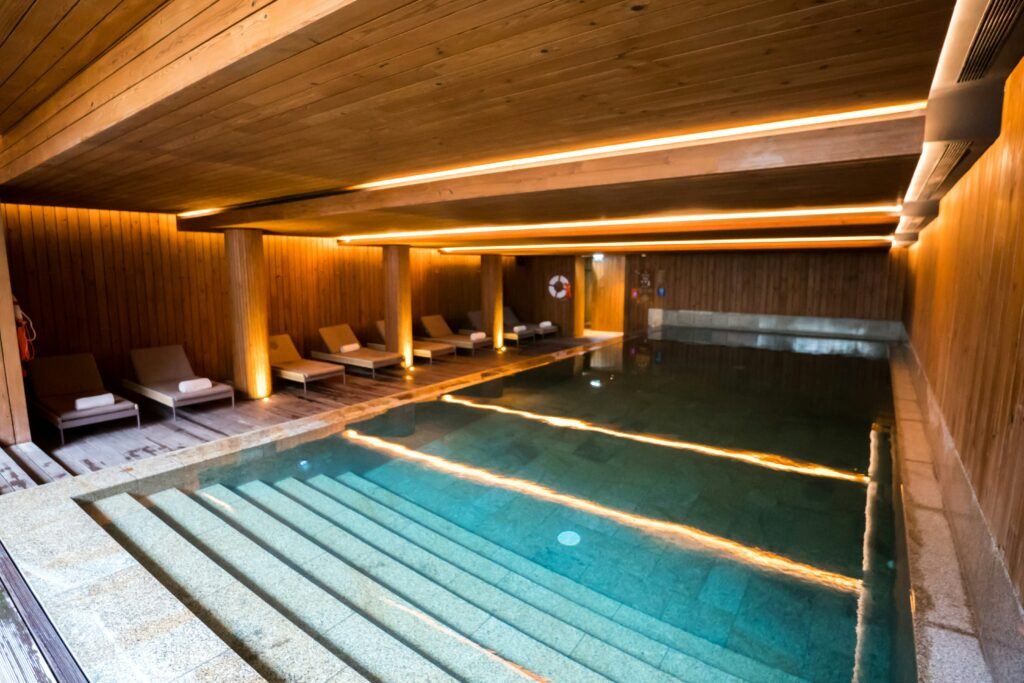
Druskininkai, Lithuania’s oldest spa town in the south, bridges the traditional and the modern thermal baths alongside traditional bathhouse culture, surrounded by pine forest.
How to Build a Baltic Sauna Wellness Circuit
A circuit across all three countries works well because the distances are small. Tallinn to Riga is a four-hour drive. Riga to Vilnius is another four hours. The whole Baltic corridor fits inside a single week.
The 7-Night Circuit That Works:
Days 1–3: Estonia (Tallinn + Lahemaa or southern Estonia) Arrive in Tallinn. Decompress. One evening walk through the Old Town, one good meal, sleep early. Days two and three: private smoke sauna experience, forest walks in Lahemaa, coastal silence. The Estonian days set the pace. Slow, quiet, no agenda.
Days 4–5: Latvia (Riga + Gauja Valley) Drive or bus to Riga. One night in the city. Art Nouveau district, Central Market, a quiet dinner in the Old Town. Day five: pirts session with a trained pirtnieks in the Gauja Valley. This is the centrepiece of the trip. The whisking ritual is not something you will forget.
Days 6–7: Lithuania (Vilnius + Dzukija or Druskininkai) Drive to Vilnius. One evening exploring the Old Town and Uzupis. Day seven: traditional bathhouse in Dzukija or thermal baths in Druskininkai, forest walking, cold water immersion. The Lithuanian days feel warmer and more social. A good way to close the circuit before heading home.
Fly home from Vilnius. You have crossed three countries, experienced three distinct sauna traditions, and given your nervous system a genuine reset. Not a spa break. Something deeper.
Who This Trip Is For And Who It Is Not For
This circuit is designed for the Reset Seeker. Someone burnt out enough that a change of scenery won’t cut it. They need a trip that works on a physical level. It pairs genuine heat and cold exposure with silence, forest, and slow movement. The recovery is real because the traditions are real.
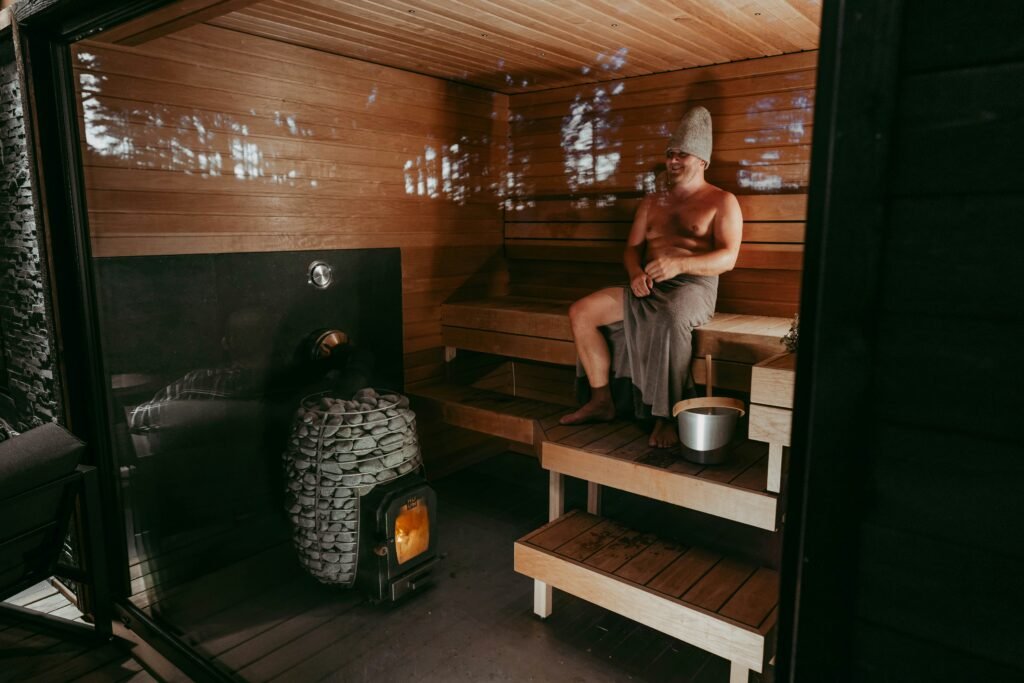
It also works for couples who want a shared experience that is not another beach holiday. The intimacy of a pirts session or a forest walk with nobody else around is a different kind of quality time.
This trip is not for someone who wants a luxury spa resort with a pool and a cocktail bar. Nothing wrong with that kind of trip. It is just not what this is. The accommodations along this route are comfortable, well-chosen, and genuine and are not five-star resorts. They are farmsteads, guesthouses, small hotels run by people who understand the tradition. That is the point.
Frequently Asked Questions
How long should a Baltic sauna wellness circuit be? Seven nights is the sweet spot. Five nights works if you drop one country (usually Lithuania) and focus on Estonia and Latvia. Three nights is too short to experience more than one tradition properly.
What is the best season for Baltic sauna wellness travel? Autumn and winter. October through February gives you the strongest heat-to-cold contrast, which is what makes the recovery effective. Spring works well too. Summer is the weakest season for sauna travel as the cold water is less cold, the contrast is softer, and the light stays until midnight which disrupts sleep patterns.
Do I need to be experienced with saunas to do this trip? No. First-time sauna users do well on this circuit because the traditions guide you. You are not figuring it out alone; a pirtnieks in Latvia, a sauna host in Estonia, and a bathhouse guide in Lithuania all walk you through the process. Start with shorter rounds and build up.
Is this trip suitable for couples? Yes. Many sauna experiences can be booked privately for two. The circuit is designed with enough variety (cities, countryside, coast, forest) that both partners stay engaged, even if one is more sauna-focused than the other.
Can GoEast plan a custom version of this circuit? Yes. The 7-night version above is the standard shape. Tell me how many nights you have, which traditions interest you most, and what level of accommodation feels right. I come back with one recommendation built around your preferences.
Let GoEast Plan Your Baltic Sauna Wellness
I have personally experienced smoke saunas in Estonia, pirts sessions in Latvia, and bathhouse culture in Lithuania. Every property and experience on this circuit is one I would recommend to a friend not a partner paying commission.
Tell me when you want to go, how many nights you have, and whether you are travelling solo or with someone. I handle the route, the properties, the sauna bookings, and the things worth doing between sessions.
If the idea of crossing three countries for three sauna traditions sounds like the kind of trip worth taking, get in touch with GoEast here.