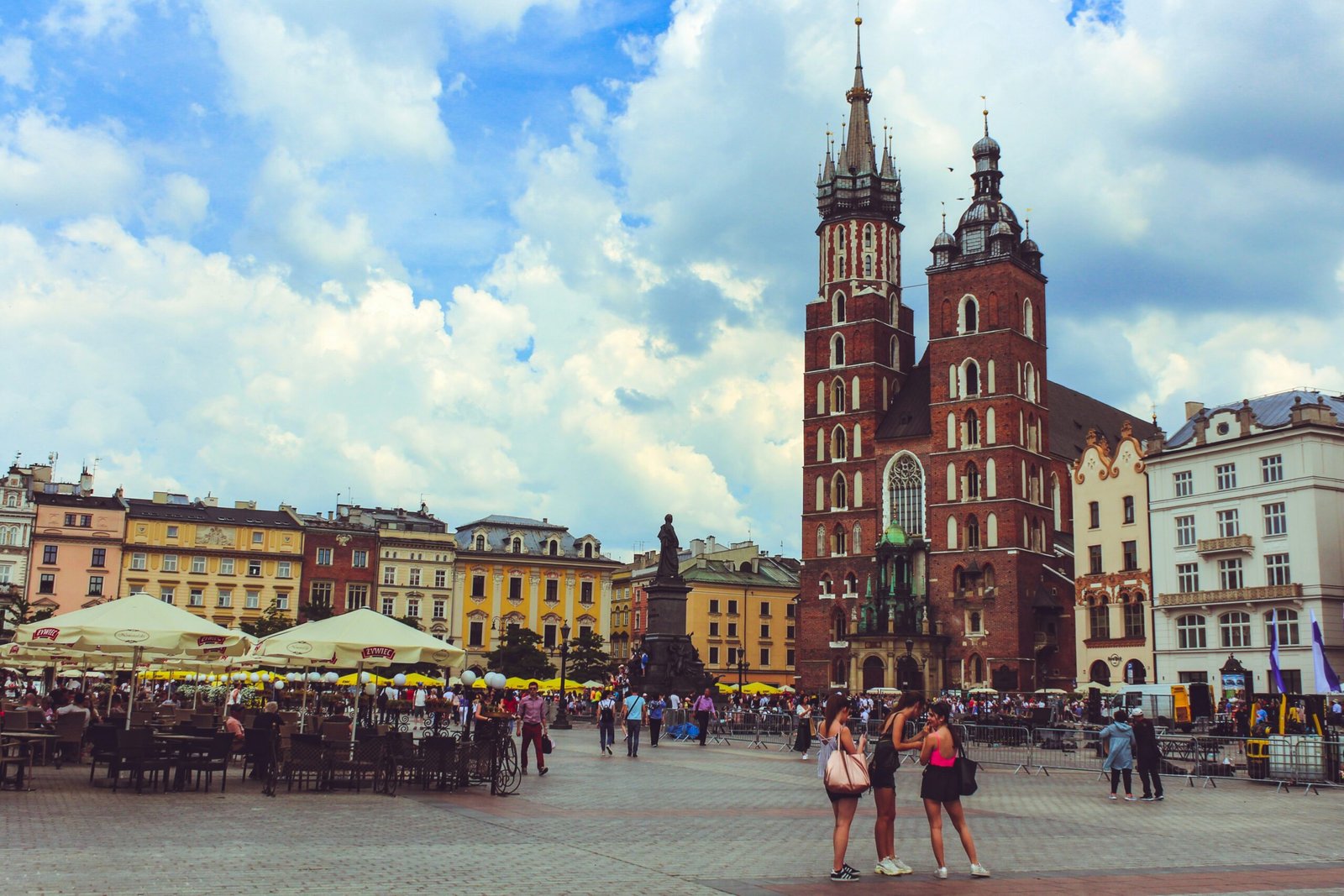
Most people treat Poland as a city break. They do Krakow’s Old Town, Kazimierz, a pierogi crawl, and leave three days later thinking they’ve seen it.
That works. But if you want the version of adventure travel Poland actually offers, you use Krakow as the base and treat the Tatras as the real reason you came.
This is how we design it at GoEast and the intel below comes from my partner on the ground in Poland, who’s been running this route for years. He knows which trails empty out on a Tuesday, which mountain hut serves the best kwaśnica, and which weather window to trust.
Krakow as the Soft Landing
Krakow is one of the few European cities that still feels like a proper city rather than a museum. The Old Town is beautiful and busy. Kazimierz is where you actually want to be between mountain days and lower density, better evening energy, and enough good coffee and food to reset without needing a full rest day.
Between active days, keep the rhythm simple.
Morning walk along the Planty or the Vistula before the crowds arrive. A slow loop through Kazimierz in the late afternoon. One proper meal that isn’t tourist Polish and there are enough places doing modern takes on regional ingredients that you never have to eat the same thing twice. Early night. The mountains start early and the weather window is finite.
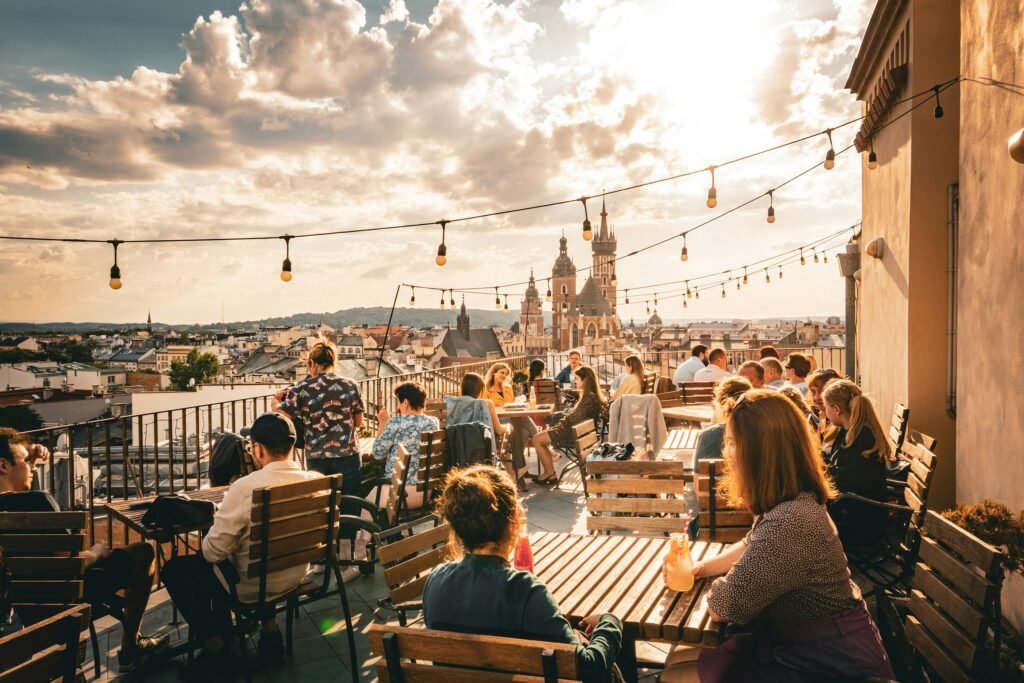
Stay in or near Kazimierz if you can. Properties like PURO Kazimierz or the smaller character-driven boutiques (Warszauer, Metropolitan, Queen) give you design, quiet rooms, and easy access without the Old Town premium. The point is recovery and logistics, not collecting hotel stamps.
The Tatras: What Actually Works
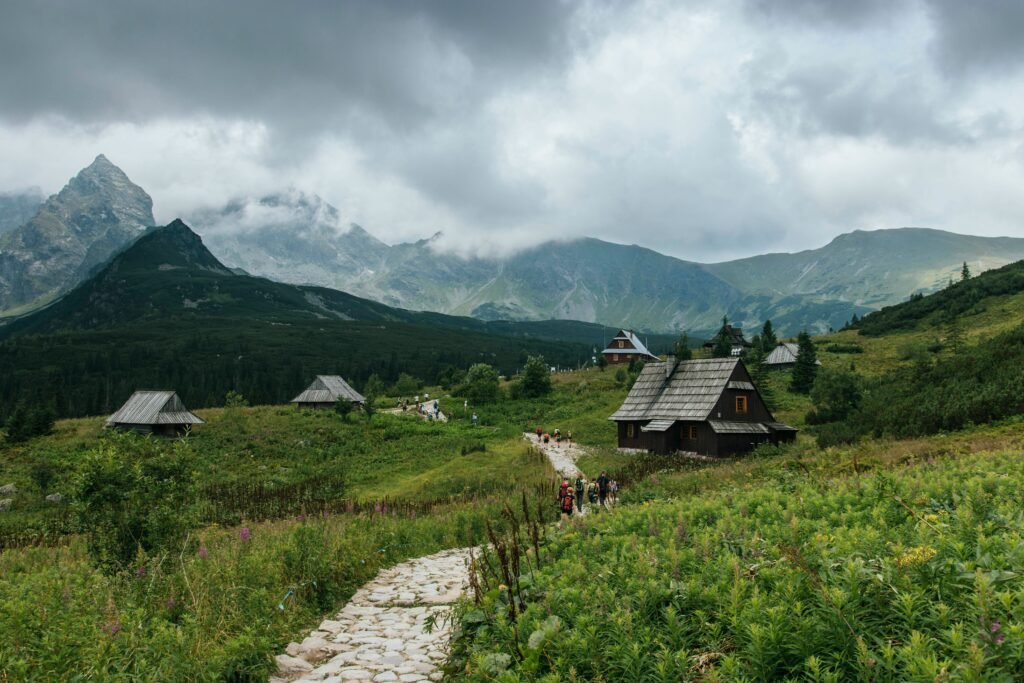
The Polish side of the High Tatras is compact, well marked, and still capable of surprising people who only know the Alps. You don’t need alpine experience for most of the classic days. You do need respect for weather and timing.
Here’s what my partner sends clients on, and what he actively warns them away from.
Morskie Oko
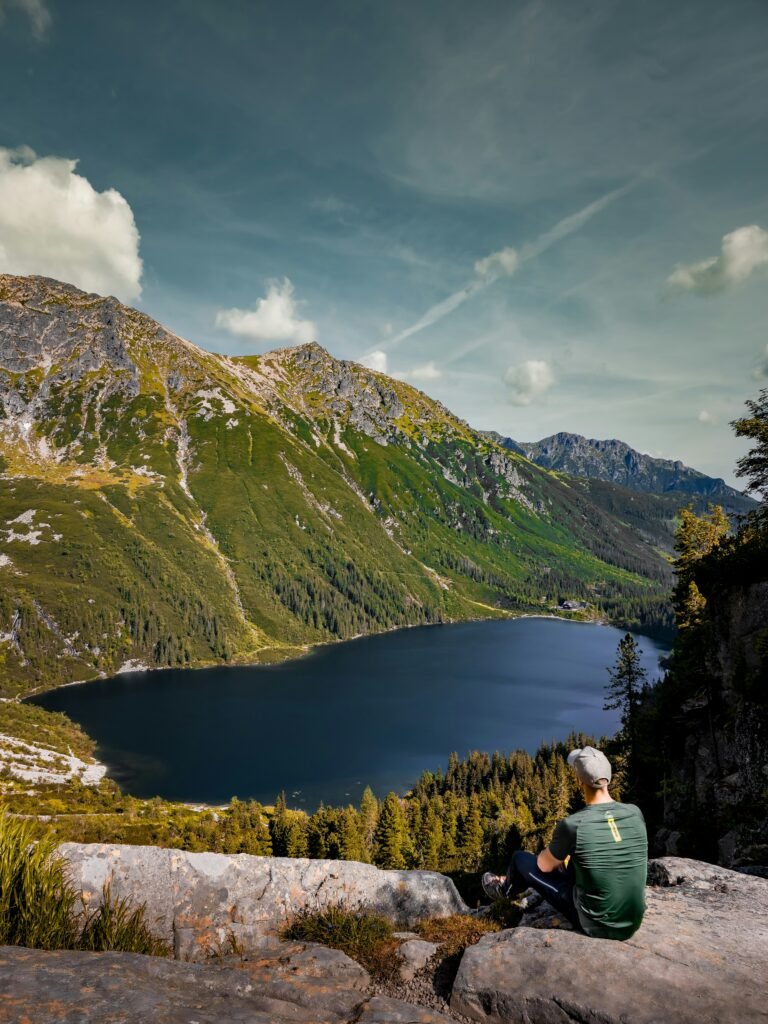
Morskie Oko is the classic glacial lake day. The path from Palenica Białczańska is long but straightforward, it is roughly 2 to 2.5 hours each way. Go early. Very early. On a weekday in shoulder season it’s almost meditative. On a summer Saturday it’s a procession. If the legs still have something left, continue up to Czarny Staw.
Giewont
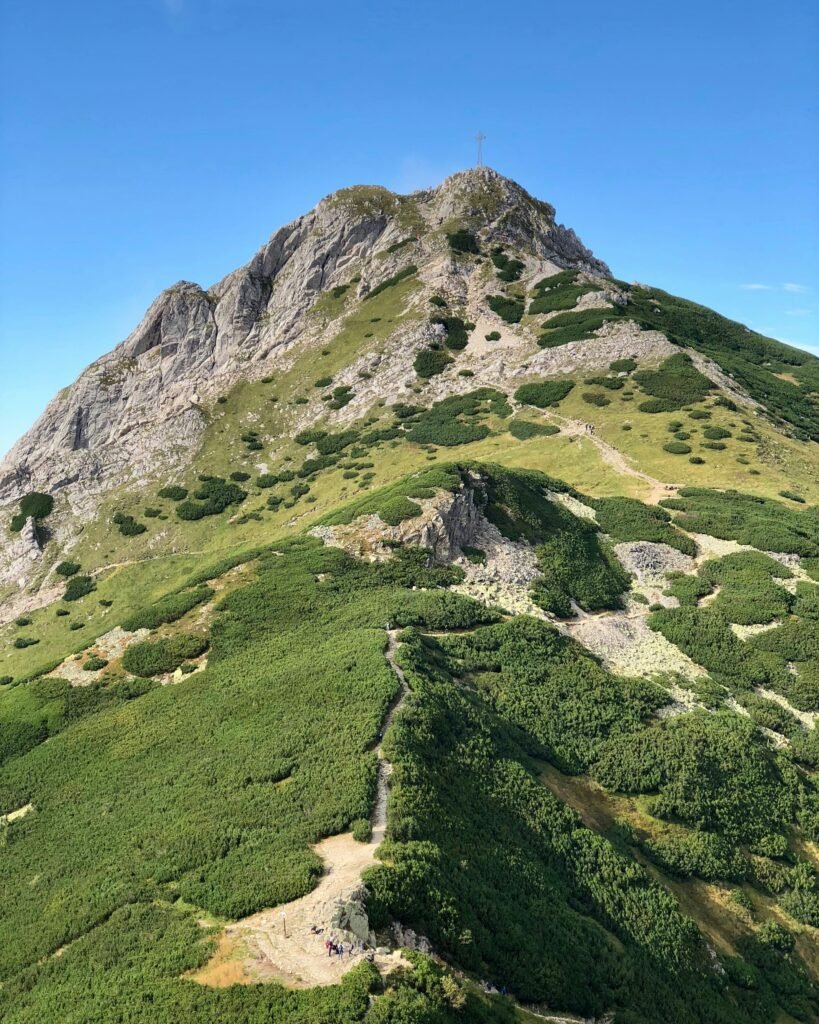
Giewont is the “sleeping knight” steep, with a final section on chains and big views over Zakopane. Four to six hours round trip depending on fitness and conditions. Do it in stable weather only. The summit cross is photogenic. The exposure on the last pitch is real.
Kasprowy Wierch
Kasprowy Wierch works when you want high terrain without a full approach day. Cable car up, then choose your own adventure along the ridge toward Świnica or the easier options.
Dolina Kościeliska or Dolina Chochołowska
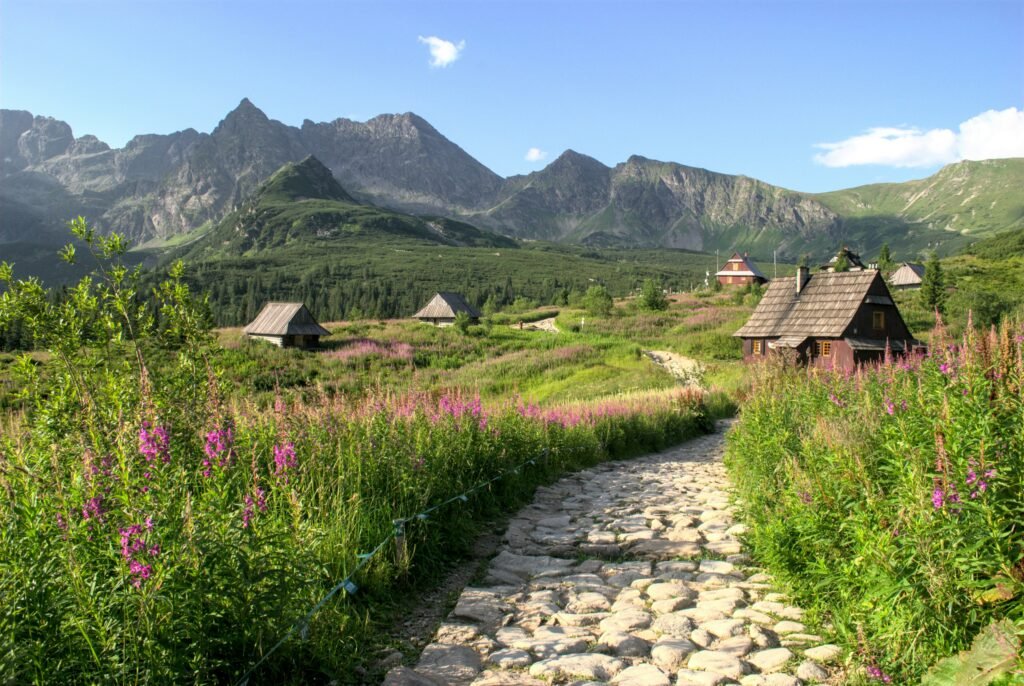
These are the valley days. Gentler gradients, proper mountain huts, better light for recovery legs or shoulder-season hiking. Chochołowska in autumn is one of the most underrated walks in the range.
One warning. Orla Perć is not a casual recommendation. It’s serious exposure with via-ferrata style sections. Only for people who already know what they’re doing. If your partner asks whether you should attempt it and you’re not sure, the answer is no.
Practical Notes That Matter
Tatra National Park entry is currently 11 zł (5.50 zł reduced). Buy online or at the entrances.
Trails are colour-marked and generally clear, but download offline maps. Mapy.cz is excellent here as its better than Google Maps for mountain terrain.
Weather turns fast in the Tatras. Layers, rain shell, and enough food and water are non-negotiable even on the “easy” days. I’ve seen clear mornings turn into hail by 2pm in July.
Tell someone your plan on longer routes. Coverage is decent in the main valleys. It’s not guaranteed higher up.
Where to Stay in the Mountains
Zakopane itself is useful for transport and evening options. The pure Krupówki strip is not where you want to recover after 1,000 metres of climbing. Look for quieter residential pockets, or the villages just outside the Kościelisko direction works well.
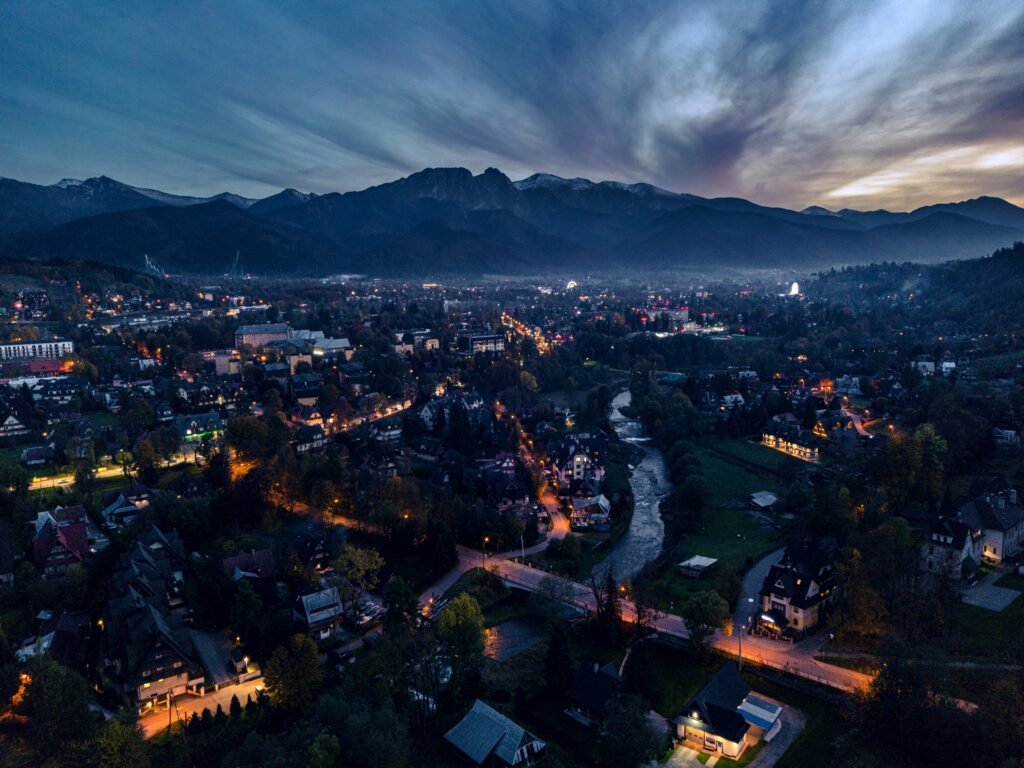
Boutique and character-driven places that consistently deliver:
Villa 11 Folk & Design brings a modern interpretation of highland woodwork in a calm residential setting. Harda House Friends & Spa (or similar small properties with sauna access) is what you want when the legs need heat, not room service.
If you’re linking longer days across the range, the simple, well-run mountain huts (schroniska) are perfect. Not glamorous. Warm, dry, and exactly what you need at 2,000 metres.
The goal is a room that’s quiet, a place to dry gear, and breakfast that actually fuels the next day. That’s it.
Recovery That Works
After a big day the body wants three things. Protein, heat, and sleep.
Thermal options: Chochołowskie Termy or Termy Bukovina. Both are practical post-hike. The mineral water does its job on tired legs, and the outdoor pools with mountain views are better than most spa marketing claims.
For food, go for oscypek (smoked sheep cheese), kwaśnica, grilled meats, proper highlander portions. Places like Owczarnia or the better karczmy away from the main tourist strip deliver the real version. Not the version cooked for people who’ll never come back.
Back in Krakow: a long shower, something simple and good, early lights out.
I don’t schedule a “spa day” as a separate experience for active clients. Recovery gets built into the rhythm so the next hiking day is stronger, not just possible.
Timing
Late May to June and September are the windows I protect for clients. Trails are open. Crowds are thinner. Light is better. The weather is still cooperative enough for high routes.
July and August work if you start at first light and accept the numbers on popular paths. October can be spectacular for autumn colour, but higher trails start closing and days get shorter.
Winter is a different trip entirely. Proper equipment and experience required. Don’t wing it.
How This Actually Feels
You wake in Krakow. Take the early bus or train to Zakopane. Hike something real. Soak the legs. Eat properly. Sleep hard. Repeat.
The city days in between aren’t filler. They’re deliberate recovery, and a reminder that this part of Europe still offers density of experience without the Alpine price tag or the overcrowding of the more famous ranges.
That balance of city base, genuine mountain days, intentional recovery is what most generic adventure travel Poland itineraries miss. It’s also what makes the trip restorative rather than just active.
Travel should restore you, not exhaust you. Even the active kind.
How GoEast Can Help
Poland is one of our growth markets, and the Krakow-plus-Tatras combination is one of the trips we’re now designing regularly for active travellers and solo explorers who want something more than another Alpine week.
We work with a Poland-based partner who’s been in the region for years. That’s why the intel above is specific for the hotel names, the trail warnings, the recovery spots. It’s not scraped from TripAdvisor.
If you want this shaped into a specific five to seven day itinerary with exact hotels, trail sequencing, and private transfers, that’s the conversation we have next. The Polish Tatras are still quiet enough that doing this properly still feels like a discovery.
Ready to plan? Tell us what you want from the trip. We’ll come back with two options both good for you to choose from.