Santorini is beautiful. It is also shared with eleven cruise ships, four hundred selfie sticks, and a queue for every restaurant worth eating in.
Quiet luxury travel Europe does not look like that. It looks like a boutique hotel in a city most of your colleagues have never visited, where the owner brings you coffee in the morning and the streets outside are empty by nine. It looks like waking up somewhere genuinely good and having nothing you have to do.
Europe has hundreds of places like this. Most people never find them because the algorithm keeps pointing everyone to the same ten cities. This list points the other direction.
These are seven destinations I would actually recommend to a client in 2026 not because they are undiscovered, but because they still have space. Space in the hotel. Space on the street. Space to think.
Why Quiet Luxury Travel Europe Is the Trend Nobody Named
The word “quiet luxury” comes from fashion, understated clothes, no logos, nothing that announces itself. The same idea applies to travel.
Quiet luxury travel Europe is not about budget. It is about ratio. What you get versus how many other people are getting it at the same time. A private sauna in Estonia on a Tuesday in October. A table at a Krakow restaurant that does not appear on any list. A medieval street in Tallinn at seven in the morning with nobody on it but you.
The Reset Seekers and Intentional Couples I work with have figured this out. They are done with destinations that require a strategy. They want somewhere good, well-planned, and genuinely quiet. That combination is rarer than it sounds.
1. Tallinn, Estonia: The City That Rewards Curiosity
Most people know Tallinn as a weekend destination. They come for the Old Town, they tick the box, they leave. That version of Tallinn exists. It also misses the point entirely.
Tallinn at its best is early morning and late evening, when the tour groups are still eating breakfast or already on the bus. The medieval core is genuinely beautiful in a way very few European cities can match stone walls, copper spires, a hill with a view over the Baltic that nobody is jostling for at 6am.
Beyond the Old Town, the Kalamaja neighbourhood runs along the sea: wooden houses, a converted submarine base turned into a cultural complex, restaurants that opened because someone wanted to cook something good, not because TripAdvisor needed filling. Noblessner, the old shipyard quarter, has the same energy quiet, considered, a little industrial, entirely its own thing.
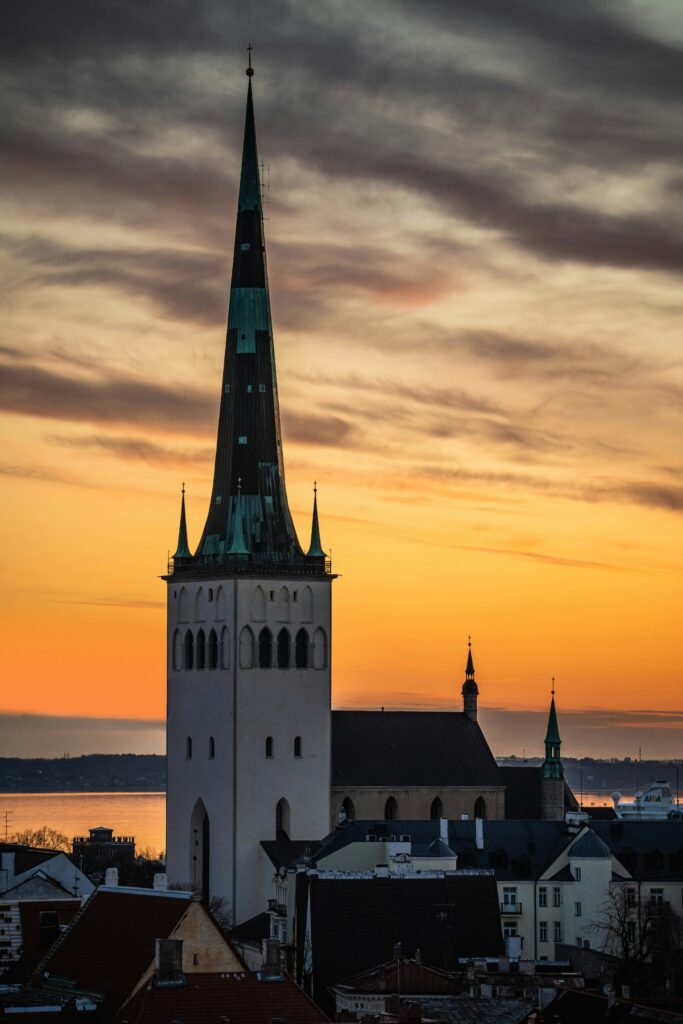
The hotels to know are small. An apartment in a 14th-century merchant house in the Old Town. A design property in Kalamaja five minutes from the water. Neither will appear in the first page of results on Booking.com. Both are worth the extra ten minutes of research or one conversation with someone who already knows.
2. Krakow, Poland: Beyond the Bachelor Parties
Krakow has a reputation problem it does not deserve. The old city is beautiful. The food scene has quietly become one of the best in Central Europe. The thermal spas an hour from the centre are the kind of thing people drive across Poland for.
The bachelor party crowd sticks to the main square and the Irish bars on Florianska. The rest of the city runs at a completely different pace. Kazimierz, the old Jewish quarter, has the density of good restaurants and quiet courtyards that most European capitals would pay to recreate artificially. Podgorze, across the river, is where the art galleries and coffee shops have gone because the rents in Kazimierz got too high.
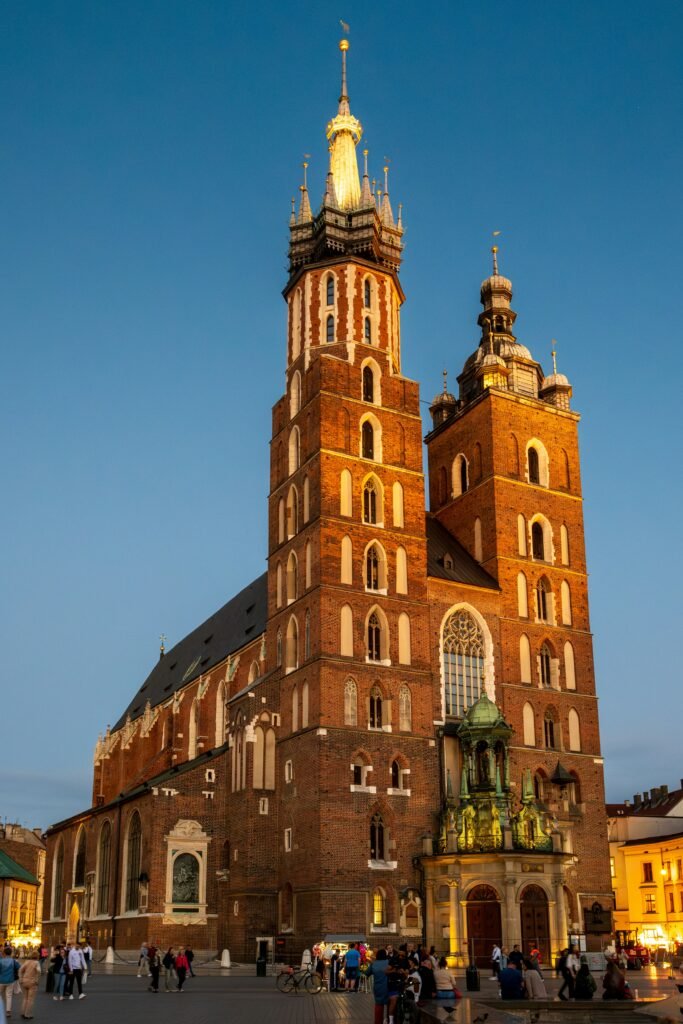
For quiet luxury travel in Poland, the answer is a boutique property in Kazimierz, two nights in the city, then a day at the Zakopane thermal baths in the Tatras. The mountain air is cold even in summer. The water is very warm. You come back to Krakow that evening restored in a way that no amount of urban exploration quite manages.
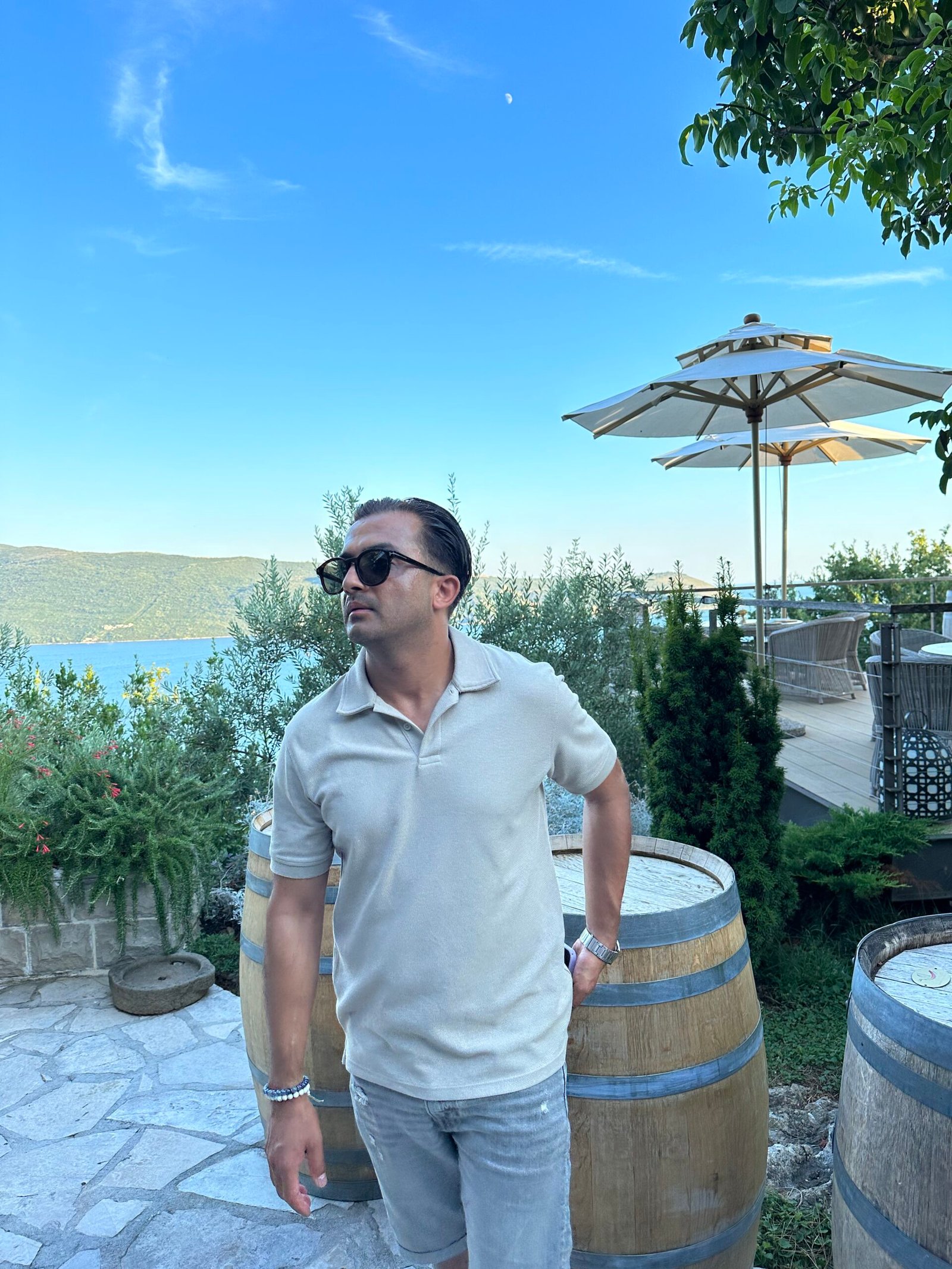
3. Istria, Croatia: The Part of Croatia That Breathes
The Dalmatian coast in July is not quiet. Dubrovnik in particular has become a study in what happens when a medieval city becomes a film set as beautiful, crowded, and slightly unreal.
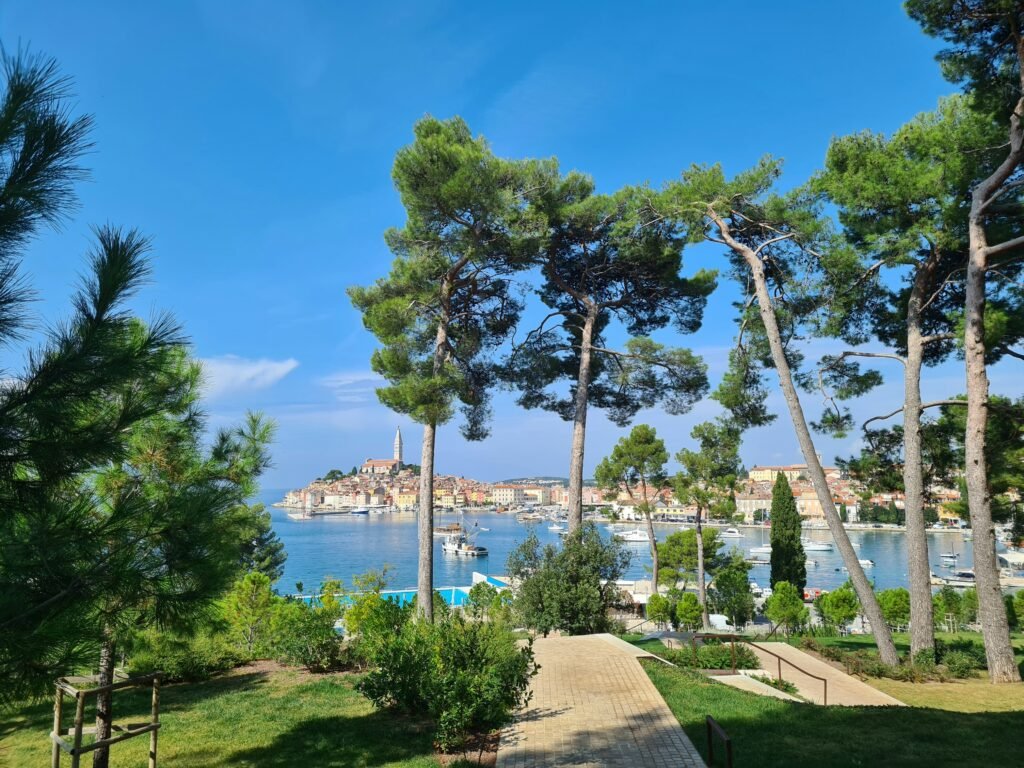
Istria, the peninsula in the northwest, is a different country in feel. Hilltop villages with fewer than a hundred people. Truffle country. Olive oil that people argue about the way French people argue about wine. A coastline that is lovely without being famous enough to require advance booking.
The places to stay are mostly small: converted farmhouses outside Motovun, a hotel in Rovinj that feels like someone’s very well-kept home, a villa near Novigrad with a kitchen garden and a terrace that faces the water. None of them are cheap. All of them are worth it for the quiet alone.
Pair Istria with a night or two in Ljubljana on the way back to Slovenia’s capital is one of the most underrated cities in Europe for slow travel, and the drive through the Karst region is the kind of thing you remember.
4. Riga, Latvia: The Baltic That Gets Overlooked
Of the three Baltic capitals, Riga gets the least attention. Tallinn gets the tourists. Vilnius gets the architecture press. Riga sits between them and does its own thing, which turns out to be considerable.
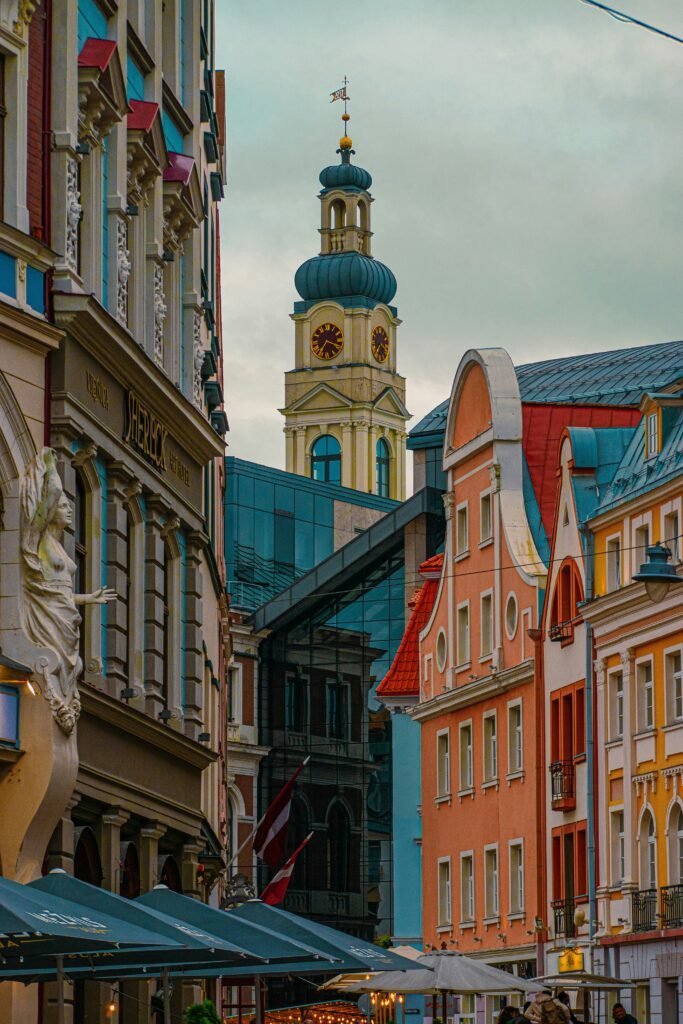
The Art Nouveau district alone would justify the trip. Something like a third of the city’s buildings are Art Nouveau more per square metre than anywhere else in Europe. The Central Market, set in five former Zeppelin hangars, is enormous, functional, and genuinely Latvian in a way that tourist markets rarely are. The neighbourhood of Kalnciems, across the river, has the wooden architecture and farmers’ market that Instagram would have turned into a queue if it had noticed yet.
Riga’s hotels have caught up with the city. The old town has a handful of small properties that do the job well; high ceilings, good beds, breakfast that arrives without you having to go anywhere. The city runs at a pace that suits a long weekend of walking and eating, which is exactly the right pace for quiet luxury travel in the Baltics.
5. Ljubljana, Slovenia: Small Capital Energy
Ljubljana is the most liveable city I have spent time in. That is a personal opinion and I hold it confidently.
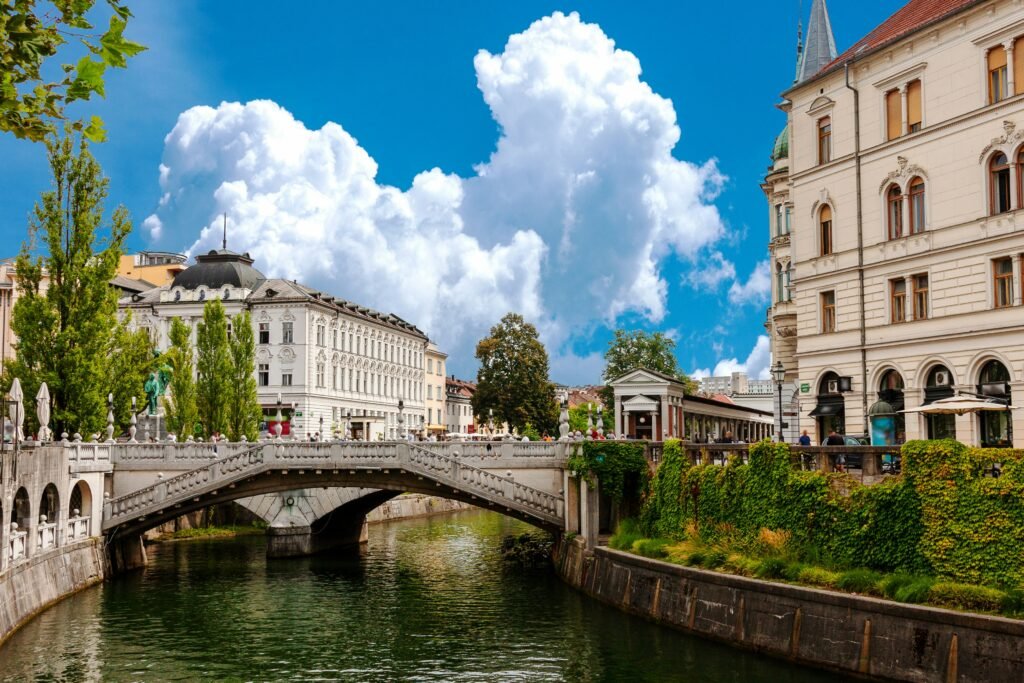
It is small enough to walk everywhere. The old town sits on both sides of the Ljubljanica river, connected by bridges, cafes along the water, a castle on the hill above that you can reach in fifteen minutes on foot. The food is excellent, Slovenian cuisine does not get enough credit, and the wine is even less known than it should be. The country produces very little and exports almost none of it.
The city is good for two or three nights. It is also a natural starting point for the Julian Alps at Triglav National Park is an hour away, Lake Bled is forty minutes, and both are at their best in shoulder season when the summer crowds have gone and the light is lower and better.
For the Intentional Couple or Reset Seeker looking for quiet luxury travel in Southern Europe without the Dalmatian coast prices, Ljubljana and the Slovenian interior is the answer most advisors are not giving yet.
6. Tbilisi, Georgia: The Edge of Europe
Georgia sits at the edge of what most people mentally define as Europe, which is exactly why it still works as a quiet luxury destination.
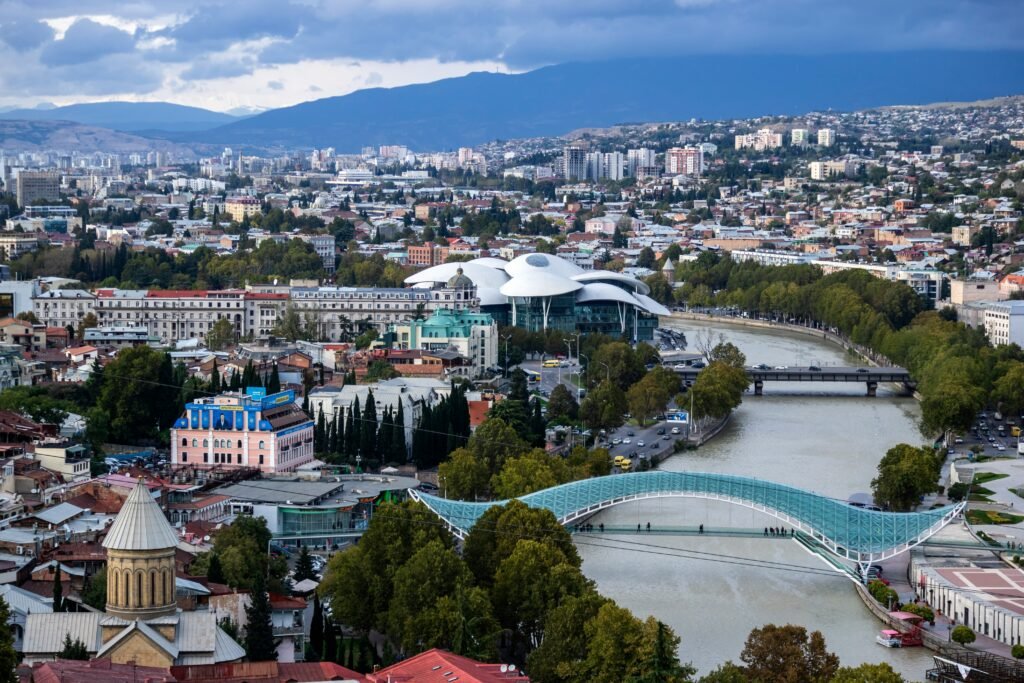
Tbilisi’s old town is the kind of place that makes you want to slow down involuntarily. Wooden balconies overhanging cobbled streets, sulphur baths below the city that have been running since the fifth century, a wine culture older than any in France. The natural wine movement has made Georgia briefly fashionable among a certain type of traveller, but the city itself remains its own thing not performing for anyone.
The boutique hotel scene in Tbilisi has arrived properly in the last few years. Old merchant houses converted with care, small rooftop terraces, the kind of breakfast that takes an hour because everything on the table was made that morning. Prices are still well below Western Europe for equivalent quality.
It is not the easiest destination on this list. Flights are less direct. The alphabet is its own. Both of those things are features, not problems.
7. Matera, Italy: The City That Survived Itself
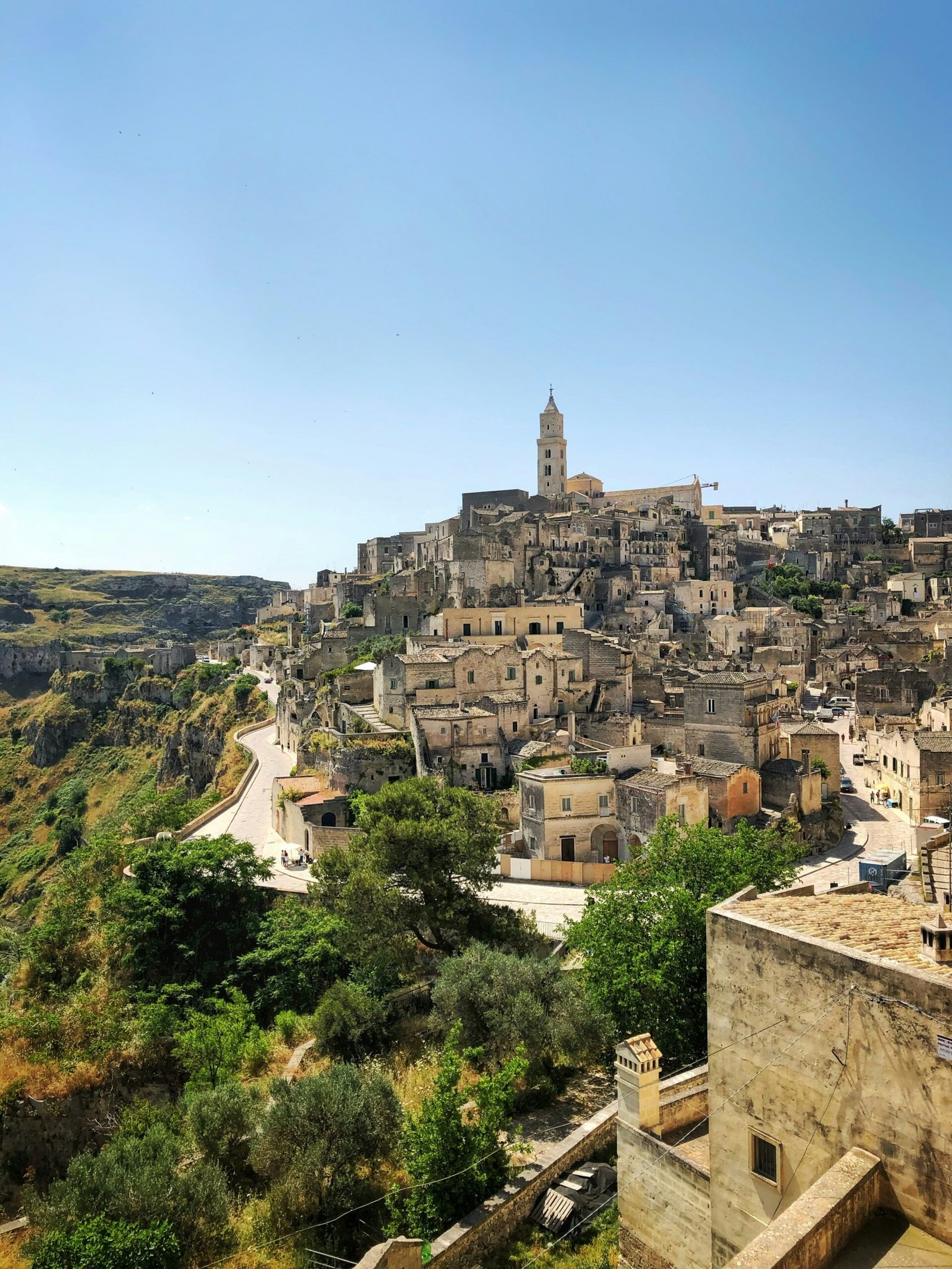
Matera in the deep south of Italy was declared a national disgrace in 1952. The cave dwellings; the Sassi, were home to thousands of people living without running water or sanitation. The government relocated them all. The caves sat empty for decades.
Then, slowly, the city came back. The Sassi were restored. Hotels were carved into the rock. Restaurants opened in spaces that had been abandoned for thirty years. Matera was European Capital of Culture in 2019 and the world noticed briefly. Then the world’s attention moved on.
What remains is one of the most unusual places to stay in Europe, a hotel room inside a cave, the city lit at night in a way that makes it look ancient and alive simultaneously, a region of southern Italy (Basilicata) that almost nobody visits because it requires effort to reach.
That effort is the point. Quiet luxury travel in Europe rewards the trips that require a decision rather than a default.
How to Choose Without Getting It Wrong
Seven destinations. All good. The question is which one is right for you, and that depends on things a blog post cannot know: when you are going, who you are going with, what rest actually looks like for you.
I work with clients who have looked at lists like this and still ended up in the wrong place because the research took too long or the booking felt uncertain. The way I work is simple: tell me the destination you are drawn to, your budget, and how many nights you have. I come back with two properties and one obvious choice and one you would not have found on your own. You pick.
If you are thinking about quiet luxury travel in Europe and want a second opinion before you book, get in touch with GoEast here.
Frequently Asked Questions
What does quiet luxury travel in Europe actually mean? It means prioritising quality of experience over quantity of sights. One excellent hotel over five average ones. A city with space to breathe rather than a queue at every landmark. Trips planned around what restores you, not what photographs well.
Which European countries are best for quiet luxury travel in 2026? The Baltic states as Estonia, Latvia, Lithuania are the strongest option for genuine quietness at a reasonable price. Slovenia, Georgia, and southern Italy (Basilicata, Puglia) offer similar ratios. Western Europe is possible but requires more precision to avoid the crowds.
Is quiet luxury travel expensive? Less than you might expect. The destinations on this list such as Tallinn, Riga, Krakow, Ljubljana, Tbilisi do offer excellent boutique hotels at prices well below Paris, Amsterdam, or Barcelona. The investment is time and planning, not necessarily a higher budget. Its been said that Quiet Luxury Travel Is Replacing Traditional Five-Star Vacations in 2026.
How far in advance should I book? Shoulder season (April-May, September-October) requires four to six weeks of lead time for good properties. Summer in Croatia requires three months minimum. Winter in Estonia can be booked with two weeks’ notice for most dates outside Christmas.
Can GoEast plan a quiet luxury trip for one person? Yes. Solo travel is one of the most common requests I get. The approach is the same tell me the destination, the dates, and what you want from the trip. I come back with options that work for a solo traveller rather than ones designed for couples or groups.